
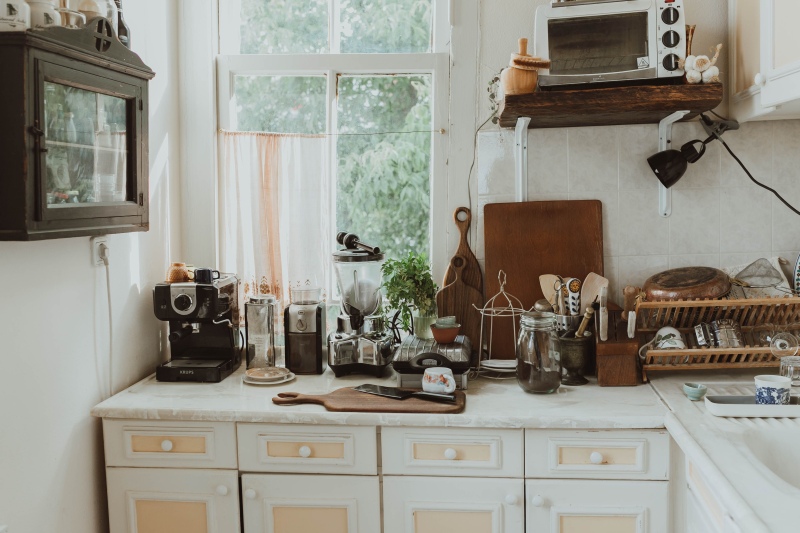
A practical and simple checklist for replacing worn pans, plastic utensils, food containers, kettles and cutting boards with longer-lasting alternatives.
Living in a world that is so saturated with poor-quality materials, we can still transform our surroundings to improve our lives. That matters because your environment influences your food choices, often more than motivation or discipline does.
Ultimately, that is all that matters: improving our lives. We want to age well, be strong and healthy, and be ready for everything that comes our way.
Yet, with so many things that can disrupt our health, sometimes it feels impossible to start because there is so much to it.
Here is an important checklist to begin with, focusing specifically on the kitchen, where we prepare the food we eat every day. That makes it a crucial area of the house.
Making your kitchen healthier is only one part of building healthier eating habits that actually last. The goal is not to transform everything overnight, but to improve your surroundings gradually.
Have you ever noticed that when you drink water from a plastic bottle, there is sometimes a slight taste to it?
A realistic kitchen checklist
Nowadays it is becoming harder and harder to find stainless-steel pans anywhere. But they are the solution to our problems. Let’s dive deeper:
Utensils
Stores are full of new utensils that look modern, nice and cool. But in reality, you buy them and, after a while, some lower-quality plastic utensils start to warp or wear, and bits may begin falling off. You then need to buy another one a few months later.
Or, if you are like most people, you just keep using that one – which is the worst possible option.
“Darlin’, would you like a burger with a sprinkle of white plastic on top?” Nhaaam!
For utensils, go for stainless steel.
Another option to avoid is wooden utensils. They may look nice, but wood absorbs liquids and smells. Looks do not matter when health is at stake.
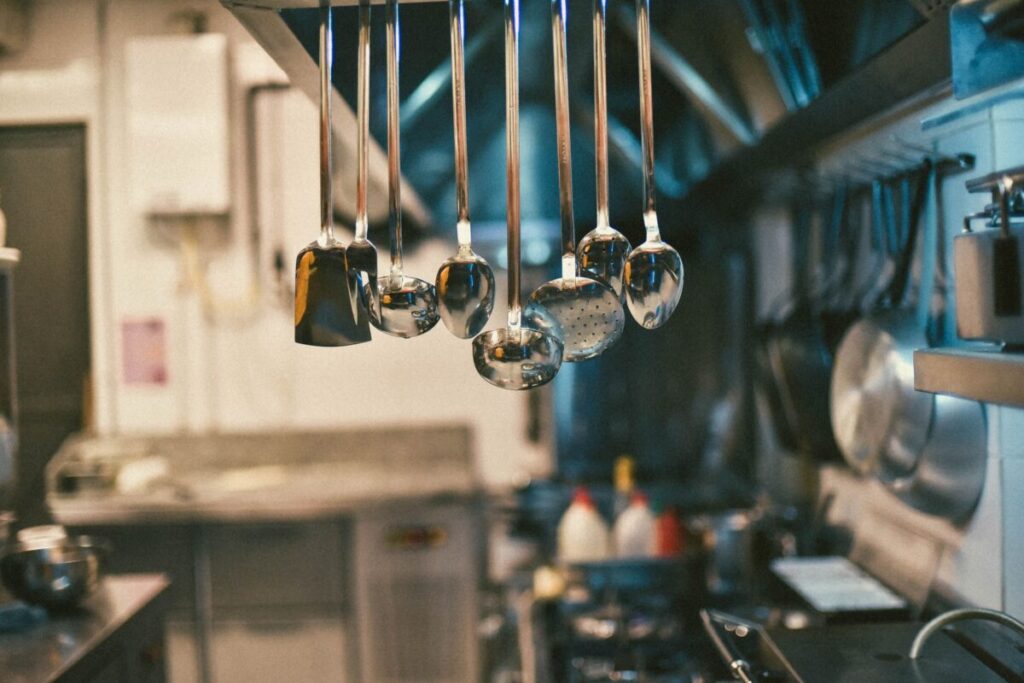
New utensils come with plenty of new ideas, but not all of them are designed to last.
So it’s better to go the extra mile and find stainless-steel ones. They do not melt or start falling apart.
Pans
Another crucial part of changing your kitchen is looking at your frying pans with non-stick coatings. Most of them are probably full of scratches already.
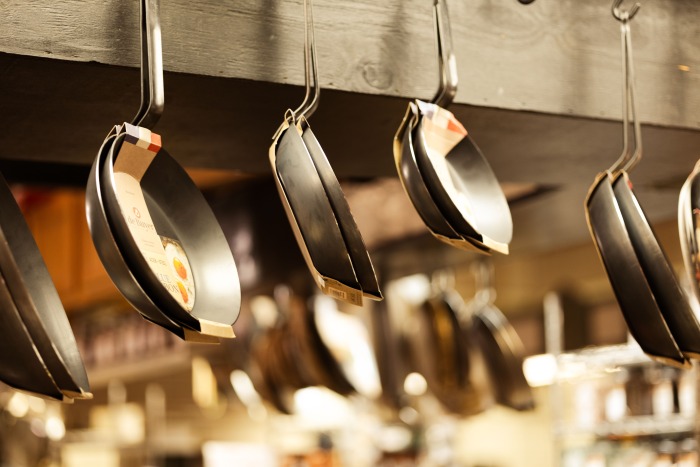
You cook food at high temperatures. Then you wash and scrub the pans, and over time, the coating becomes scratched and damaged.
Why continue using a badly damaged pan when you can find a stainless-steel one instead that lasts?
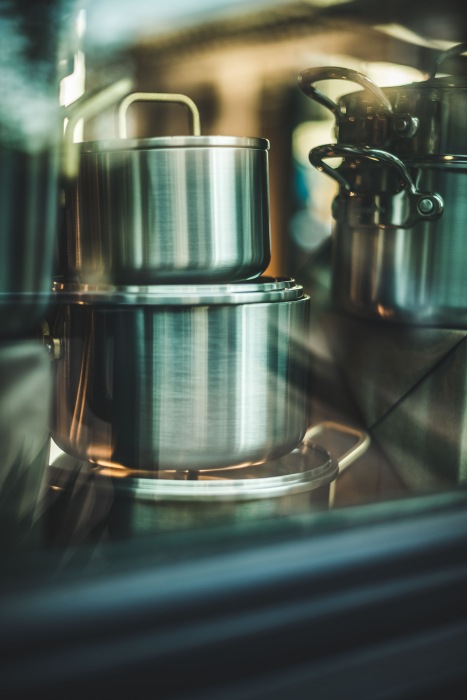
It is also important to find good-quality stainless steel, such as 18/10.
The numbers refer to approximately 18% chromium and 10% nickel, which help with durability and corrosion resistance.
Look for those numbers.
But how do I stop food from sticking to the pan?
- Add a little olive oil and heat the pan properly before adding the food. Only place the food in the pan once it is hot. You can make scrambled eggs in less than 2 minutes using this technique, as the pan will be extra hot, and you just need to flip the eggs very quickly, and voilà!
- Use a lid to help retain moisture and prevent the food from drying out and sticking.
- If you fry food often, consider purchasing an air fryer with grill racks. You can brush on a little olive oil, helping steaks or fish release more easily.
- Use an air-fryer-safe glass dish for potatoes.
Knives
Replace your knives with ones made entirely from stainless steel, without plastic, wooden or ceramic parts anywhere.
These materials can crack, loosen, absorb liquids or wear over time. Choosing a knife made entirely from steel also avoids small gaps where grease and food can collect.
That way, it can last for years.
Containers and cups
Replace your plastic cups, plastic plates and plastic containers.
Use ceramic, glass or stoneware instead.
Actually, stoneware is one of the best options for cups because it is sturdy and does not lose heat as quickly, so your coffee or tea stays warm for longer.
As for containers, they should simply be made from glass. That is it. Normal glass. Nothing else.
Plastic containers can retain smells and stains after repeated use, but with glass containers, you do not get that same lingering taste or smell.
Kettle
Nowadays, you see a lot of plastic kettles.
Even when you try to find a metal one, you may think you are getting a good deal, but then you look inside and there is still some plastic, such as a rubber or silicone part at the bottom or a plastic water-level indicator.
The only one I found that was completely free of plastic was the Russell Hobbs Glass Classic kettle, model 26080-70.
That is literally the only one I found when I was looking for a kettle that had zero plastic touching the boiling water.
Cutting board
Replace any wooden or plastic cutting boards that are badly worn, cracked or covered in deep grooves.
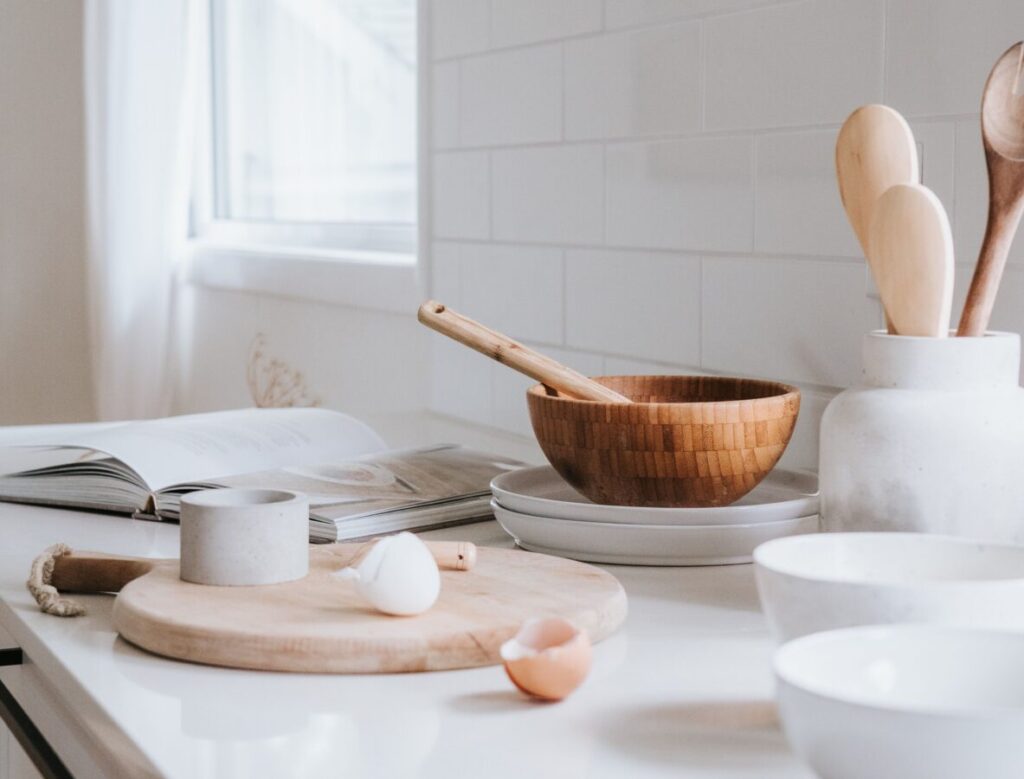
My personal choice is tempered glass. Buy one, keep it clean, and you are good to go.
Using a tempered-glass cutting board feels amazing and premium, while being just as simple to use as any other board. It does not absorb liquids, smells or stains, and it is incredibly easy to clean. You can scrub it without worrying about food becoming trapped in deep grooves.
Water bottles
These are everywhere, in different colours, sizes, and styles.
They even advertise that the plastic is safe, tested, and doesn’t retain smells — but so far I haven’t found a single plastic bottle that doesn’t keep a smell or a strange taste, even after several washes.
So I switched to a glass one instead. It’s 100% glass, and that’s it. When it’s hot, the bottle doesn’t heat up as quickly, the water keeps its normal taste, and there’s never a weird aftertaste.
Simple checklist: Where to start
You do not need to replace the entire kitchen in one day.
Start with the items that are damaged or that you use more often:
- Replace all non-stick pans.
- Replace all plastic utensils.
- Replace all plastic containers and cups.
- Replace all plastic cutting boards.
- Look for a kettle with no plastic touching the boiling water or when pouring the water.
- Replace knives with damaged or difficult-to-clean handles.
- Buy a glass water-bottle.
Once you have looked at the materials you use every day, the next step is examining what comes into your kitchen, including how much hidden sugar you may be consuming without realising it.